July 17, 2026
When planning a home renovation, homeowners frequently find themselves evaluating how different exterior elements affect both property value and functional enjoyment. Enhancing the boundaries of a yard is a core part of many updating projects, serving to define property lines, secure open spaces, and elevate aesthetic charm. Selecting the proper material for these boundaries requires a careful balance of immediate aesthetic desires and long-term upkeep realities. Wood has long remained a traditional selection for residential properties, offering a classic appearance that complements many architectural styles. However, understanding the specific advantages and drawbacks of natural lumber is essential before finalizing design plans.
Whether a property owner seeks to create a private backyard sanctuary or simply add a clean border to a front lawn, the choice of material influences everything from initial expenditures to future labor requirements. As a fundamental component of comprehensive home renovation planning, analyzing the positive and negative aspects of timber installations helps ensure that the final result aligns with the expectations of the household.
Evaluating the Benefits of Choosing Wood Fencing
Achieving a Natural and Classic Aesthetic Appeal
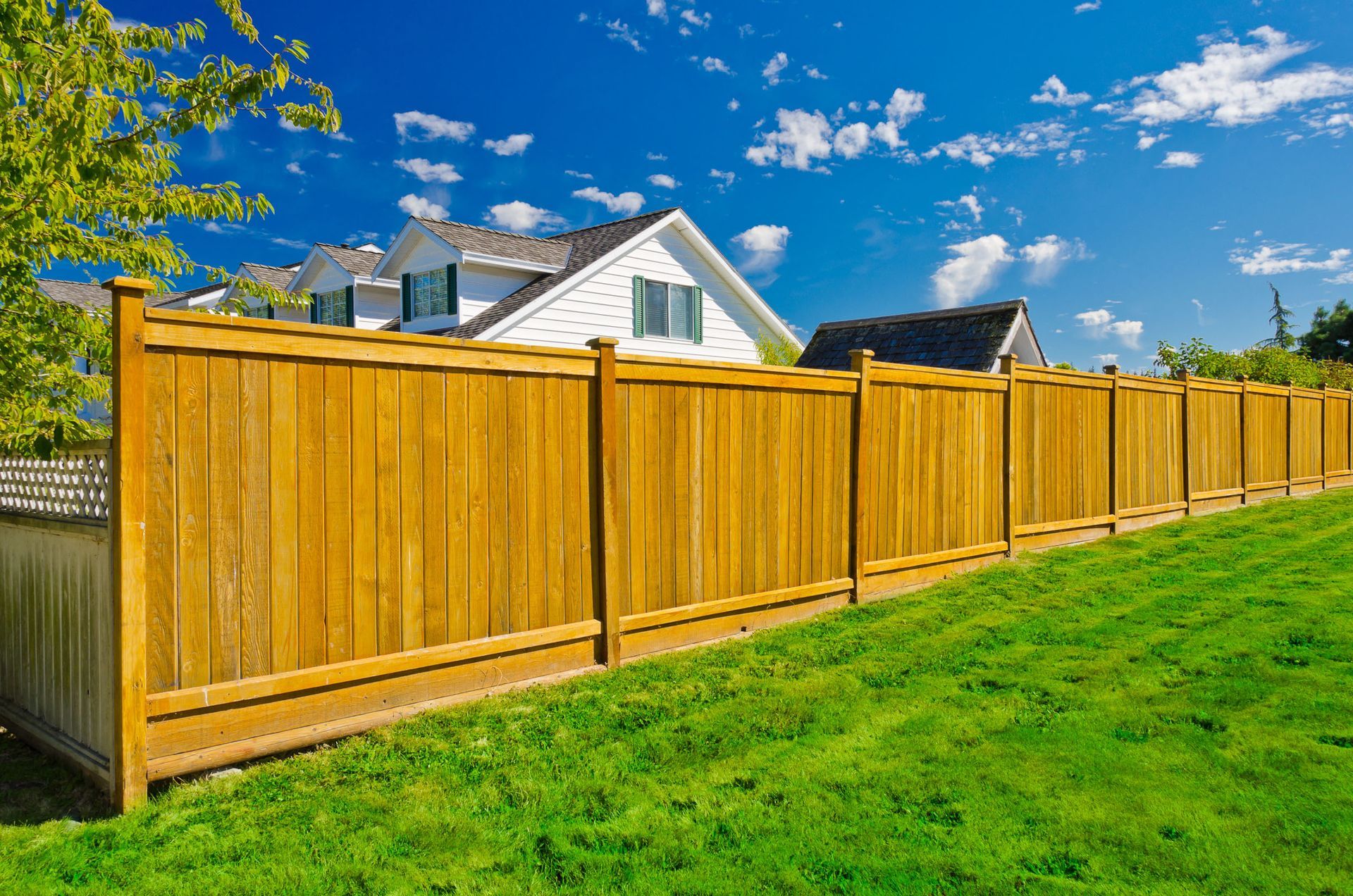
One of the primary reasons homeowners incorporate timber into their homes is the unmatched visual warmth that natural wood provides. Unlike synthetic alternatives, lumber possesses unique grain patterns, textures, and earthy tones that blend seamlessly with landscapes and gardens. The material can be left to weather naturally into a rustic gray, or it can be treated to maintain its original rich coloration. This organic quality ensures that the boundary enhances the natural environment rather than distracting from it, creating an inviting atmosphere around the exterior of the property.
Selecting Versatile Design and Customization Options
Timber offers incredible flexibility during the design phase of a home renovation. Property owners are not restricted to pre-manufactured styles, as lumber can be cut, arranged, and finished in a wide variety of configurations. Classic picket designs offer a traditional look, while solid vertical board configurations maximize privacy. Additionally, horizontal plank installations can provide a sleek, contemporary feel for modern properties. Wood can also be painted or stained in virtually any hue, allowing perfect coordination with the existing color palette of the primary residential structure.
Utilizing an Environmentally Friendly and Sustainable Material
For individuals focused on sustainable practices, natural lumber presents a strong environmental case. Wood is a renewable resource, particularly when sourced from responsibly managed forests. At the end of its useful lifespan, untreated or minimally treated wood is biodegradable, reducing the long-term impact on landfills compared to plastics or composite materials. Choosing timber means utilizing a product that integrates into natural life cycles far more easily than petroleum-based options.
Experiencing Ease of Modification and Installation Adaptability
During the execution of a home renovation, unforeseen terrain challenges or structural layout changes can arise. Timber is a highly forgiving material to work with on-site, as individual boards and rails can be trimmed, adjusted, or reconfigured immediately to accommodate sloping hills, mature trees, or unique property angles. This adaptability simplifies the construction process and ensures a precise fit tailored to the specific contours of the land, avoiding the rigid limitations often encountered with pre-molded alternative systems.
Understanding the Drawbacks of Installing Wood Fencing
Managing Continuous Maintenance and Upkeep Requirements
While the visual rewards of timber are significant, they come with a commitment to ongoing maintenance that must be factored into any home upkeep schedule. Natural wood is vulnerable to environmental elements such as rain, sunlight, humidity, and temperature fluctuations. Without regular sealing, staining, or painting, the material can absorb moisture, leading to warping, twisting, or cracking. Property owners must be prepared to inspect the structure periodically and reapply protective coatings every few years to shield the fibers from moisture intrusion and sun damage.
Resisting Biological Pests and Environmental Rot
Another critical consideration during a home renovation involving outdoor woodwork is the threat of biological degradation. Because wood is an organic substance, it can become a target for wood-boring insects such as termites or carpenter ants if not properly treated or maintained. Furthermore, sections of the structure that remain in direct contact with damp soil or are shaded from drying sunlight are susceptible to fungal rot and mold growth. Over time, these biological factors can compromise the structural integrity of individual posts or rails, necessitating targeted repairs.
Anticipating a Finite Structural Lifespan and Degradation
Even with dedicated maintenance routines, natural timber does not possess an infinite lifespan when exposed to changing weather conditions year after year. According to Bob Vila, wood fencing needs to be replaced every 10 to 20 years. This reality is an important factor to consider when evaluating the long-term lifecycle of a home. Over the decades, cumulative exposure to wind, rain, and UV radiation naturally weakens the wood fibers, meaning that homeowners must eventually plan for a full replacement of the boundary structure.
Confronting Vulnerability to Severe Weather Elements
Extreme weather conditions can accelerate the aging process of outdoor wooden structures, impacting the overall success of an exterior home renovation. Strong windstorms can place immense pressure on solid privacy panels, potentially loosening posts or breaking rails if the framework has been weakened by time or moisture. Additionally, prolonged exposure to intense summer heat can dry out the wood excessively, causing splitting along the grain lines. These environmental pressures mean that geographic location and local climate play a significant role in how well the material performs over time.
Aligning Property Goals With Material Realities
Determining the Primary Purpose of the Structure
To ensure a successful outcome, the specific objectives of the project must align with the attributes of the chosen material. If the primary goal is to establish complete visual privacy or to create a secure enclosure for children or pets, wood is an exceptional candidate due to its solid construction options. However, if the overarching objective is to minimize future property labor and eliminate weekend maintenance tasks, the ongoing requirements of timber must be carefully weighed against the desire for a hands-off property management experience.
Integrating Architectural Consistency and Flow
A cohesive home renovation considers how every individual element interacts with the entire property. A timber boundary can serve as a visual bridge, connecting the main architectural features of a house with the surrounding landscape. The ability to stain the wood to match an existing deck or paint it to match window trim allows for a level of design integration that few other materials can replicate. This visual continuity can significantly enhance the overall curb appeal and aesthetic harmony of the property exterior.
Assessing Long-Term Property Planning Horizons
When incorporating a new boundary structure, homeowners should consider how long they intend to remain in the residence. For individuals planning to stay in their homes for decades, the recurring maintenance cycles and eventual replacement timeline of wood must be accepted as part of long-term property upkeep. For those who may move within a shorter timeframe, the immediate visual appeal and classic charm of wood can provide immediate enjoyment and enhancement of the property without the long-term maintenance burdens falling entirely on their shoulders.
Selecting timber for residential boundaries involves a careful consideration of immediate benefits versus long-term responsibilities. The warmth, customization potential, and classic beauty of wood make it an attractive component for many types of renovation projects. The material allows for creative freedom, environmental responsibility, and excellent adaptability on diverse terrains, ensuring that the finished product meets specific functional and aesthetic desires.
Conversely, the realities of maintenance, pest vulnerability, and a finite structural lifespan require a practical approach to property management. Balancing these factors ensures that homeowners select a solution that matches both their visual preferences and their willingness to invest time into preservation. By thoroughly analyzing these pros and cons, property owners can confidently plan a
home renovation that brings lasting satisfaction, enhances functional utility, and complements the natural beauty of the surrounding environment. For general contractors who can offer great advice for your specific goals, contact Victory Construction Service Inc today for your free estimate.